
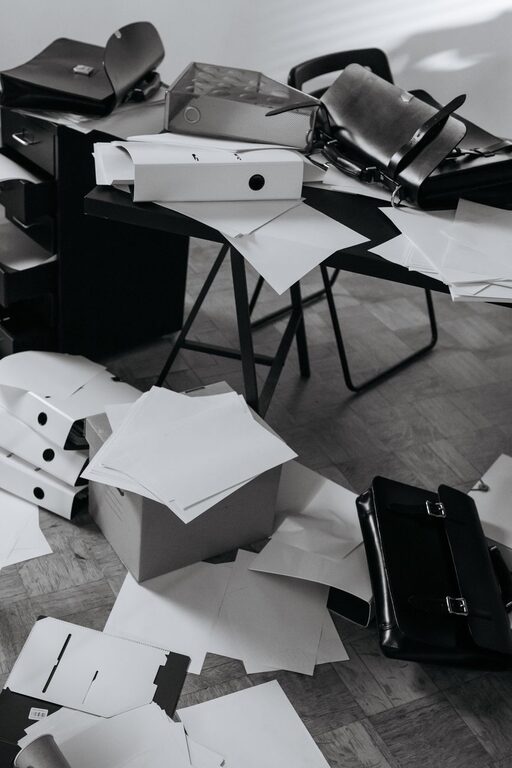
Paper clutter is a common challenge in many households. Mail, bills, receipts, school papers, and magazines can pile up quickly, creating a messy environment and making it hard to find important documents when needed. Fortunately, reducing household paper clutter doesn’t have to be overwhelming. With some simple habits and organizational tools, you can keep your paper under control and enjoy a cleaner, more peaceful home.
In this post, we’ll explore practical steps you can take to manage your paper clutter effectively.
Why Reducing Paper Clutter Matters
Before diving into solutions, it’s helpful to understand why minimizing paper clutter is important. Excess paper can:
– Create stress and distraction
– Take up valuable space
– Make finding important documents difficult
– Increase the risk of losing or misplacing important information
Reducing paper clutter can improve your home’s tidiness and help you feel more organized and focused.
1. Conduct a Paper Declutter Session
Start by gathering all the paper in your home. This includes mail, magazines, receipts, schoolwork, and any other documents lying around. Sort them into categories such as:
– Important (bills, legal papers, warranties)
– To act on (invitations, forms to fill out)
– Recyclable (junk mail, expired coupons)
– Sentimental (cards, photos)
Once sorted, immediately recycle or shred the papers you don’t need. For important papers, consider filing or scanning them to keep only what’s necessary.
2. Go Digital Whenever Possible
One of the best ways to reduce paper clutter is to switch to digital alternatives:
– Opt for e-billing and e-statements for your utilities and bank accounts.
– Use apps to scan receipts and important documents instead of keeping physical copies.
– Subscribe to digital magazines and newsletters.
– Store important documents securely on cloud services or external drives.
Going digital reduces incoming paper and makes it easier to organize and search your files.
3. Create a Designated Paper Station
Set up a specific spot in your home where all incoming paper is placed. This could be a tray, inbox, or a small filing box. Having a dedicated station helps prevent papers from spreading throughout the house.
Check this station daily or weekly and sort the papers into actionable categories: file, pay, respond, or discard.
4. Use a Simple Filing System
For papers you need to keep, create a straightforward filing system. Use labeled folders or binders for categories such as:
– Bills and receipts
– Medical records
– Taxes
– School or work documents
– Manuals and warranties
Keep files in an easy-to-access location, and regularly review and purge outdated papers.
5. Implement the “One In, One Out” Rule
To maintain low paper clutter levels, try to keep the amount of paper you bring in balanced with the amount you remove. For every new document or piece of mail you keep, aim to recycle or discard at least one item.
This habit prevents accumulation over time and encourages ongoing organization.
6. Handle Mail Immediately
One of the biggest contributors to paper clutter is mail. Develop a routine for handling mail as soon as it arrives:
– Open mail right away.
– Recycle junk mail and flyers immediately.
– Separate bills and important documents for action or filing.
– Shred sensitive information you don’t need.
Prompt handling stops paper piles from forming.
7. Use Labels, Binders, and Storage Solutions
Organizing tools can make managing paper easier:
– Use color-coded folders or labels to quickly identify categories.
– Invest in desktop organizers or file boxes.
– Store manuals and warranties in binders by product type.
Making organization visual and accessible encourages consistency.
8. Limit Sentimental Paper Keepsakes
It’s natural to want to keep cards, letters, and children’s artwork, but these can build up quickly. To manage sentimental paper clutter:
– Select a reasonable amount to keep.
– Store items in a designated memory box or album.
– Consider digitizing these items by scanning or photographing them.
This approach preserves memories without overwhelming your space.
9. Set a Regular Paper Decluttering Schedule
Decluttering paper is not a one-time task. Set aside time monthly or quarterly to review your filing system and paper station. This helps ensure that clutter doesn’t creep back in and keeps your system manageable.
Final Thoughts
Reducing household paper clutter can seem daunting but breaking it down into simple, manageable steps makes it easier to tackle. By sorting and decluttering, going digital, setting up purposeful systems, and keeping up with regular maintenance, you can enjoy a more organized and stress-free home environment.
Start today with one or two of these tips and gradually build habits that keep your paper clutter under control. Your future self (and your living space) will thank you!
About the Author