
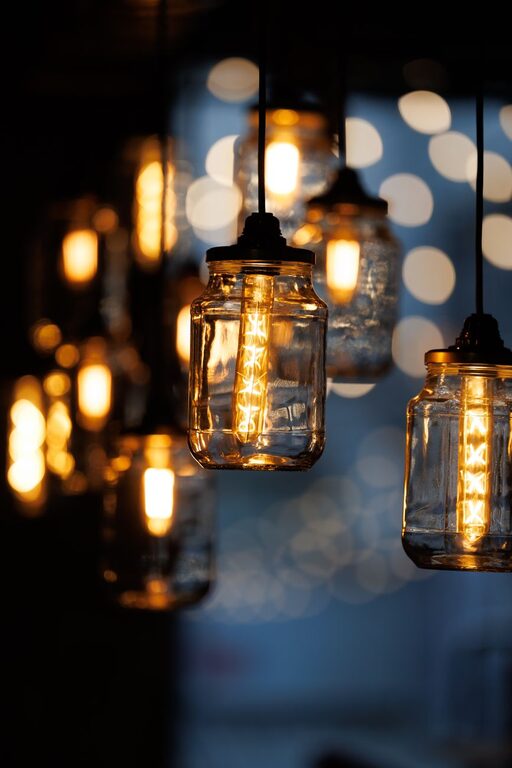
Creating a comfortable and inviting atmosphere in your home often starts with the right lighting. Proper home lighting not only enhances the look and feel of your space but also influences mood, productivity, and relaxation. Whether you are updating existing fixtures or planning lighting for a new space, understanding how to choose comfortable lighting can greatly improve your home environment.
In this post, we’ll guide you through practical tips for selecting home lighting that combines comfort and style. From understanding different types of lighting to choosing the right bulbs and fixtures, these insights will help you create a cozy atmosphere in every room.
Understanding the Basics of Home Lighting
Before selecting lighting fixtures, it’s helpful to know the three main types of lighting that work together to create balanced illumination:
1. Ambient Lighting
This is the general, overall light in a room. It provides uniform illumination and ensures you can move safely around the space. Examples include ceiling-mounted fixtures, chandeliers, and recessed lights.
2. Task Lighting
Task lighting focuses on specific areas where you complete activities such as reading, cooking, or working. Desk lamps, under-cabinet kitchen lights, and vanity lights fall into this category.
3. Accent Lighting
Accent lighting highlights particular features in a room like artwork, plants, or architectural details. Track lights, wall sconces, and spotlights are common options.
Balancing these three layers of lighting is key to creating a comfortable environment that meets your needs.
Choose the Right Color Temperature
The color temperature of light bulbs affects the mood of your space and your comfort level.
– Warm Light (2700K-3000K): Produces a soft, yellowish glow. Ideal for living rooms, bedrooms, and other relaxation areas as it mimics sunset lighting.
– Neutral Light (3500K-4100K): Offers a balance between warm and cool, suitable for kitchens and bathrooms where clarity is important.
– Cool Light (5000K-6500K): Creates a bright, bluish tone similar to daylight. Useful in workspaces or garages but can feel harsh in living areas.
For comfortable home lighting, most people prefer warm or neutral tones to promote a cozy, welcoming atmosphere.
Consider Adjustable Lighting Solutions
Lighting needs can change throughout the day or depending on the activity. Choosing adjustable lighting options can improve comfort and flexibility.
– Dimmer Switches: These allow you to control light intensity, from bright for tasks to soft for relaxation.
– Smart Bulbs: Programmable bulbs can change color temperature and brightness through apps or voice control.
– Multi-Level Fixtures: Lamps with multiple bulbs or layers of light offer convenience and versatility.
By incorporating adjustable lighting, you can customize the ambiance to suit your mood and routine.
Opt for High-Quality, Energy-Efficient Bulbs
Comfortable lighting shouldn’t come at the cost of energy waste. LED bulbs are widely regarded as the best choice because they:
– Use significantly less energy than incandescent or halogen bulbs
– Last much longer, reducing replacement frequency
– Are available in various color temperatures and brightness levels
– Generate less heat, keeping rooms cooler
Look for bulbs labeled with the ENERGY STAR certification to ensure they meet energy efficiency standards.
Match Fixtures to Room Function and Style
The type and style of fixtures you choose can impact both comfort and décor harmony.
– Living Room: Soft overhead lighting combined with floor and table lamps encourages relaxation and socializing.
– Bedroom: Warm, dimmable bedside lamps help create a calming environment before sleep.
– Kitchen: Bright, neutral task lighting over counters and islands improves visibility for cooking.
– Bathroom: Even, shadow-free lighting around mirrors is essential for grooming tasks.
When selecting fixtures, consider how their design complements your room’s aesthetic while providing the right light quality.
Reduce Glare and Shadows
Glare and harsh shadows can cause discomfort and eye strain. To avoid these issues:
– Use lampshades or diffusers to soften light output.
– Position lighting to eliminate reflections on screens and mirrors.
– Combine multiple light sources rather than relying on one bright fixture.
– Choose bulbs with a high Color Rendering Index (CRI) to improve color accuracy and reduce strain.
Proper placement and fixture choice help create a visually comfortable space.
Use Natural Light as Much as Possible
Natural daylight is the most comfortable and healthy light source. Maximize daylight by:
– Keeping windows clean and unobstructed
– Using light, sheer curtains to soften sunlight while maintaining brightness
– Placing mirrors strategically to reflect light deeper into rooms
Complement natural light with your chosen fixtures for a balanced and soothing environment.
Final Thoughts
Choosing comfortable home lighting involves more than just picking attractive fixtures. By understanding lighting layers, selecting the right color temperature, and considering adjustable options, you can create a space that feels inviting and functional. Remember to prioritize energy-efficient bulbs, minimize glare, and make the most of natural light for the best results.
With these tips, your home lighting will not only brighten your rooms but also enhance your comfort and well-being every day.
About the Author